
Stabilize first, then repair
We stop active water and secure any loose areas before discussing longer-term options, so the home is protected while decisions are made.
Serving San Diego, California & surrounding areas
Mon–Sat · 7am–7pm
When a leak starts or wind pulls material loose, fast action matters. We secure the roof, stop active water intrusion, and lay out the next steps clearly for your home.
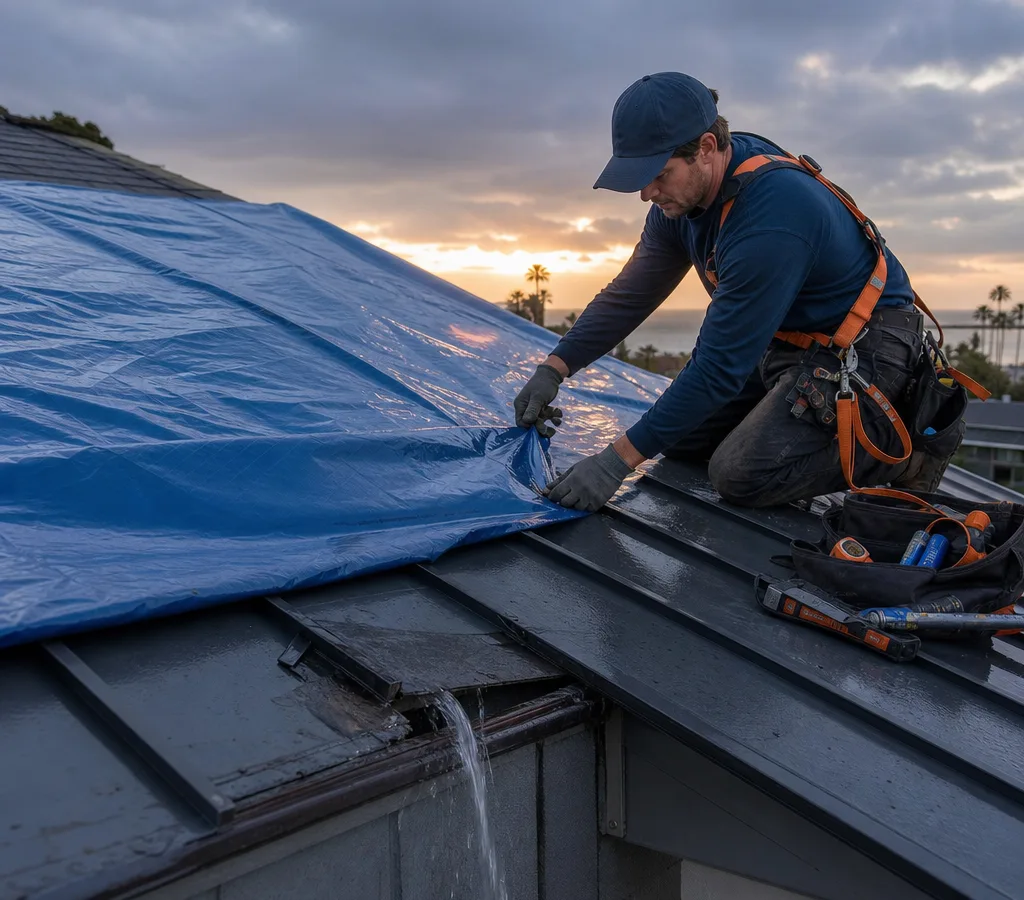
If you are searching for emergency roof repair San Diego homeowners can rely on, the goal is simple: stop water, stop movement, and prevent a small opening from turning into structural or interior damage. Emergency roof work is different from a planned project because the first visit is about stabilization. We focus on immediate containment, safe access, and a repair approach that holds up in coastal conditions.
Metal Roofing San Diego CA handles urgent roof leaks and storm-related damage across San Diego, CA. We start by finding the actual entry point—which is often not directly above the stain—then secure the area with the right short-term protection and, when possible, complete a lasting repair during the same visit. If conditions or materials require a return trip, you get a clear written scope showing what is temporary, what is permanent, and what should be scheduled next.
Common reasons homeowners request emergency roof repair include:
If water is entering the home, prioritize safety: move valuables, contain drips, and avoid attic areas with wet insulation or any sign of electrical risk. Then get a professional on site to stop the source.
A roof problem is an emergency when active water intrusion is happening, when roof materials are loose enough to blow off, or when a compromised area could fail further before a scheduled appointment. In those cases, the first steps are about stabilizing the system.
On an emergency visit, we typically:
San Diego conditions can make details matter. Coastal moisture and salt air can accelerate corrosion at exposed fasteners and flashing edges, while strong onshore winds can exploit small gaps. A good emergency repair focuses on the weak point, not just the symptom inside the home.
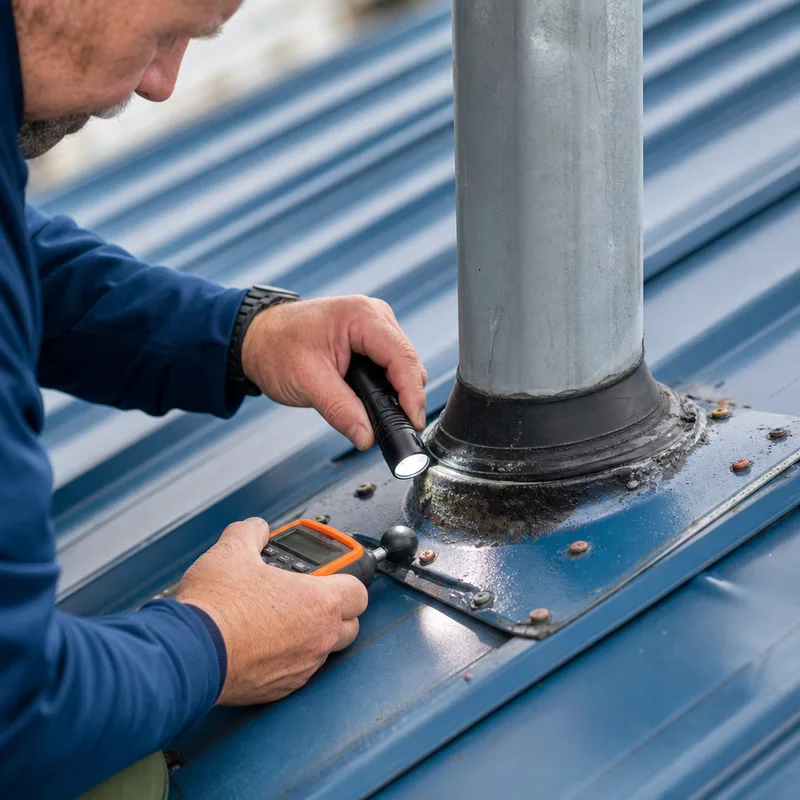
We stop active water and secure any loose areas before discussing longer-term options, so the home is protected while decisions are made.
We look for the entry point and the travel path, since water can move along decking, underlayment, and framing before it shows up inside.
You get an explanation of what failed, what was done immediately, and what should be scheduled if follow-up work is needed.
Emergency repairs have to be compatible with the existing roof materials and details, including fasteners, flashings, and sealants.
We work on San Diego homes where access, roof pitch, and close property lines can affect safety setup and repair approach.
Roof shape, access, wind exposure, and sun damage all affect how an urgent repair should be stabilized and completed.
Get Your Instant QuoteIn areas like North Park and Mission Hills, many homes have additions or complex transitions where different roof planes meet. Those junctions rely heavily on proper flashing and underlayment laps.
In Hillcrest and other dense parts of the city, limited driveway and side-yard access can affect ladder placement and material staging. That does not change the standard of work, but it does shape safe setup and how quickly materials can be moved.
Communities closer to the ocean, such as Point Loma, can see stronger gusts that lift edges and work fasteners loose over time. A quick cosmetic patch may not hold if the underlying attachment is compromised.
San Diego sun can age sealants and exposed components. If a leak is tied to dried or cracked sealant at a penetration, we look at why it failed and whether the detail needs a more durable fix.
If you are already planning a longer-term project, it can help to understand how your roof system is built and maintained. A broader overview of materials and roof types is available through Metal Roofing San Diego CA, but an emergency visit always starts with your immediate leak and the safest, fastest way to secure it.
A deliberate sequence keeps immediate protection, safe access, diagnosis, repair, and documentation connected.
We ask where you are seeing water, when it started, and whether there is ceiling sagging or an electrical concern. On arrival, we confirm safe access and wind conditions before going on the roof.
We inspect the most likely entry points first: penetrations, flashing lines, valleys, ridges, and prior repair areas. We also consider how water could be traveling beneath the surface.
We use a stabilization method appropriate to the roof and damage, such as a properly secured tarp, a temporary seal at a small opening, or re-securing a loose area that is allowing wind-driven rain inside.
If conditions and materials allow, we complete a lasting repair immediately. If not, we leave the roof protected and return with the correct parts and materials.
You receive a clear explanation of what failed, what was done, and what to watch for inside the home. If additional work is needed, we provide a straightforward scope so you can make an informed decision.
Emergency roof repair in San Diego typically ranges from $350 to $1,500+ for common leak stops and urgent stabilization, while larger damage with multiple repair areas or complex access can run $1,500 to $4,000+. Pricing depends on roof height and pitch, the type of roof system, how much area must be opened to fix the source, and whether temporary protection is needed before permanent materials are installed. The exact cost is confirmed after an on-site assessment of the leak and roof conditions.
Get Your Instant QuoteTell us what you are seeing and where the water is showing up. We will prioritize stabilizing the roof, explain the repair options clearly, and help you prevent further damage to your San Diego home.